
Along the Lanes: Life Woven Through Cotswold Hedgerows
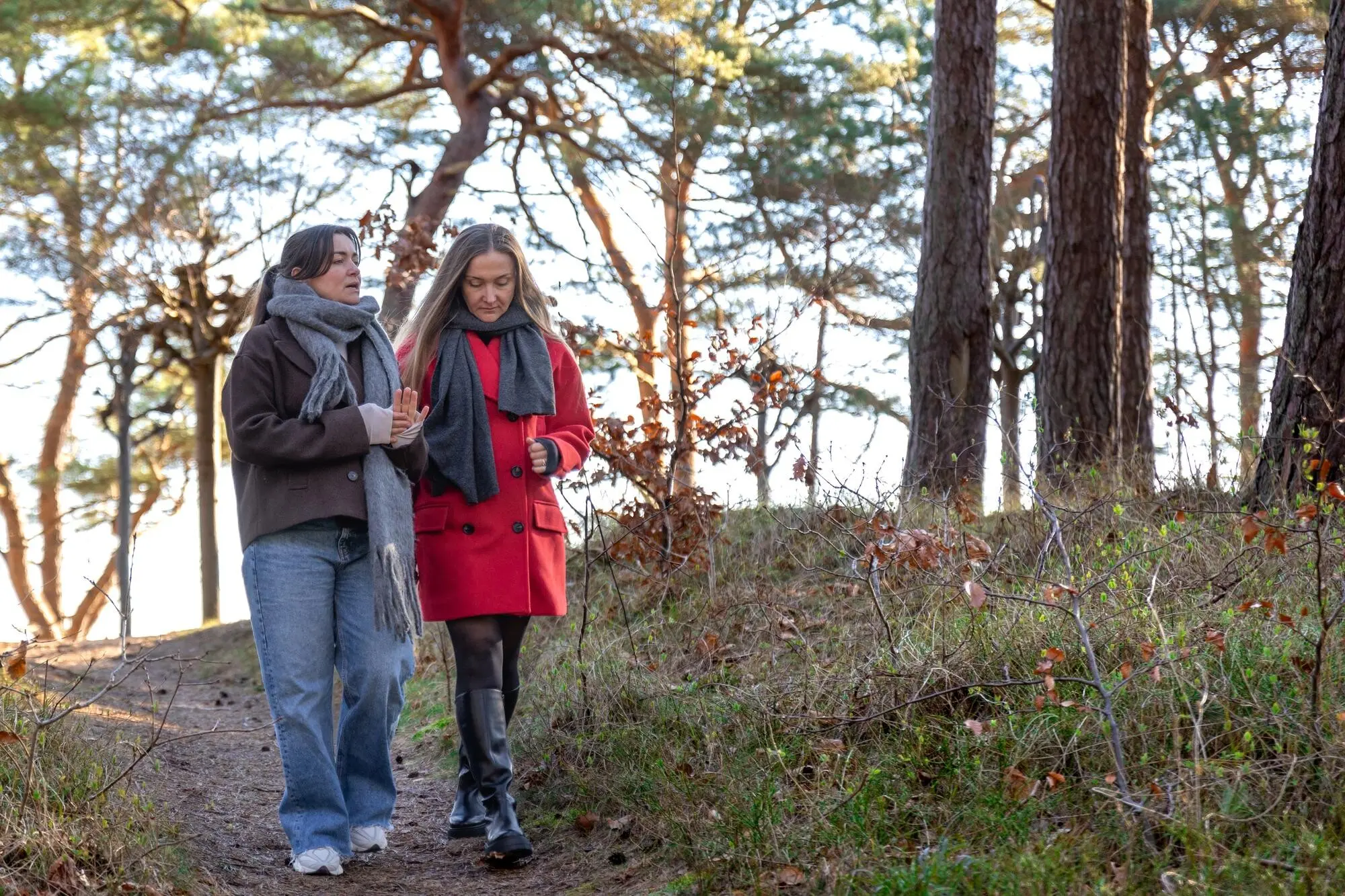
Step beside the drystone walls and quiet verges as we explore wildflower and hedgerow ecology along quiet Cotswold lanes, where calcareous soils breathe thyme-scented warmth, hawthorn froths in May, and bees stitch villages together. Expect practical insight, field-born stories, identification tips, and celebrations of the patient craft that keeps these living boundaries thriving for pollinators, songbirds, small mammals, and walkers who travel slowly enough to notice tiny petals, russet hips, and moonlit silhouettes.

Spring’s First Edgework

Blackthorn bursts before leaf, throwing icy blossom that hums with early queens of buff-tailed and common carder bumblebees. Beneath, primroses and dog’s mercury line damp ditches while brimstone butterflies patrol for buckthorn. Verge grasses rise cautiously, sheltering beetles and the year’s first spider nurseries. Walk slowly, listen for chiffchaff counting from willow clumps, and notice how south-facing banks warm sooner, accelerating bloom and insect flight days ahead of shaded stretches only a few paces away.

High Summer, Humming with Color

By July, verges become tapestries where knapweed, field scabious, and bird’s-foot trefoil trade nectar with bees, hoverflies, and day-flying moths. Bramble arches feed entire food webs, offering blossoms, refuge, and imminently, fruit. Hedge bindweed trumpets open at dusk, and bats skim the warm road’s boundary layer catching midges. Children pedal past with purple-stained fingers from trailside blackberries, while grasshoppers, hidden among fescues, create the background engine driving goldfinch broods fat on seed and promise.

Autumn’s Quiet Abundance

After storms, hedges glitter with hips, haws, sloes, elderberries, and hazelnuts cached by small nibbling mouths. Migrating thrushes flood the lanes at dawn, sampling larders that powered ancestors through centuries. Ivy blooms late, sustaining wasps, flies, and honeybees when little else offers sweetness. Fallen leaves deepen ditch habitats, cushioning toads and newts bound for winter refuges. The countryside hushes yet remains provisioned, a slow granary protected by thorns, wooden stakes, and long-remembered boundary lines.

Anatomy of a Living Hedge

A good hedge is more than a line of shrubs; it is bank and ditch, woody lattice and airy margin, studded with standard trees that anchor memory and shade. Limestone rubble moderates temperature, while gaps deliver wildflower windows where marjoram, harebell, and salad burnet root deeply. Mosses smooth moisture swings; fungi shuttle nutrients. The result is layered architecture—base, mid, and canopy—flowing beside lanes like braided rivers, guiding wildlife safely between gardens, fields, and spinneys.

Roots, Banks, and the Subtle Architecture
Look closely at the raised hedge-banks, often built over centuries from soil, stone, and cart-dropped debris. Their sun-baked faces suit thyme and wild strawberry, while shaded backs hold ferns, wood avens, and snails grateful for lime. Tiny crevices in drystone bases shelter solitary bees, beetles, and over-wintering ladybirds. Rain is slowed, not shed, filtering cleanly to ditches. This microtopography lengthens seasonal opportunity, letting plants flower longer and invertebrates persist through heat, cold, and sudden downpours.

Shrubs, Climbers, and the Mid-Canopy

Hawthorn, blackthorn, hazel, spindle, field maple, and dogwood braid together, buttressed by bramble, rose, and sweetly perfumed honeysuckle. Their density deters grazing, shapes wind, and weaves shadow that cools the verge. Fledged whitethroats thread the maze; yellowhammers survey from thorny perches. Caterpillars browse unseen on young leaves while wasp galls dot oak saplings. In late afternoon, sunlight strips slip through leaves, making a moving mosaic that hides nests, feeds insects, and shelters quiet, absorbing lives.

Pollinators, Predators, and the Busy In-Between

Wildflower verges and hedgerows create nectarways where energy moves from blossom to bee to bird with astonishing efficiency. Sequential bloom keeps flight crews fueled; tangled twigs offer nest fiber and egg-laying sanctuaries. Predators quietly stabilize fortunes, thinning outbreaks before crops suffer. Along Cotswold lanes, these borders outcompete any garden in complexity, yet ask only patient footsteps and respectful timing. Learning the cast—bees, hoverflies, beetles, spiders—reveals how threads reinforce one another, tightening webs that hold countryside resilience.

Feather, Fur, and the Night Paths

Follow the green corridors at dawn and dusk to meet commuters of feather and fur. Lanes guide movement while thorns and banks provide cover, warmth, and prey. Small gaps in fences let hedgehogs wander safely between cottages, and ditches offer amphibian highways. When fields sleep, the borders wake differently, carrying scents, squeaks, and wingbeats. Understanding these routes helps villages plan lighting, mowing, and planting that welcome life without sacrificing safety for cyclists, tractors, or barn doors.

The Old Art of Hedgelaying

In winter, a Gloucestershire hedgelayer showed us pleachers—stems partially cut and laid, still alive—then bound them with hazel stakes so light cannot race through. Within months, dormant buds erupt, sealing gaps at ground level, denying fox-sized holes, sheltering wrens. The hedge becomes stock-proof, wind-tight, and flower-rich at human height. Workshops welcome beginners, and even a single laid length demonstrates how craft translates instantly into nectar, safety, and a boundary that feels emphatically alive.

Mowing, Margins, and Safer Roads with Flowers

Highways teams increasingly trial conservation cuts: early spring for safety, then a late-summer pass after seed has fallen. Visibility splays are trimmed, yet long sections are left tall, stitched with oxeye daisy and knapweed. Simple signs explain the plan to drivers. Results follow quickly—fewer litter drifts, more butterflies, calmer speeds on beautifully framed bends. Villages adopt corners, seed gaps with local provenance mixes, and agree no-spray pledges near gateways, protecting both harvests and hedgerow dramas.

Walk, Notice, Record, and Share

Everything begins with unhurried steps. Choose a lane, put your phone on airplane mode after opening a field guide app, and let curiosity lead. Respect gates and hedgebanks; avoid trampling soft margins. Photograph, sketch, and learn a handful of species each month. Post records to community projects so patterns emerge beyond a single village. Invite children and neighbors. Build a year-round ritual that turns everyday journeys into discovery, kindness, and small acts that echo across parishes.

A Pocket Guide for Slow Looking

Start with silhouettes and smells. Crushed marjoram releases warm spice on sunny verges; hawthorn leaves feel lobed and pliant; blackthorn guards itself with brutal thorns and flowers earlier than leaf. Learn differences between cow parsley and hemlock using stem spots, odour, and height. Carry a pencil, note shady stretches that flower late, and revisit after rain to smell limestone warming. Small repeated observations quickly compound into confident recognition and friendships with places you thought you already knew.

Citizen Science That Starts on a Verge

Record plants for the National Plant Monitoring Scheme, log bumblebees on BeeWalk, or submit photographs through iRecord and iNaturalist with precise lane names. Even casual notes on first primrose or ivy bloom dates feed phenology datasets. Hedgerow mapping projects welcome gap reports and ash dieback sightings. If unsure, upload anyway and request help; identifiers are kind. Over months, your dots on the map become corridors, guiding funding bids, school projects, and practical improvements led by volunteers.

Savikirasentokarorinovironilo
Privacy Overview

This website uses cookies so that we can provide you with the best user experience possible. Cookie information is stored in your browser and performs functions such as recognising you when you return to our website and helping our team to understand which sections of the website you find most interesting and useful.